- Interior Design Tips for Renovated Homes
- Accessorizing Your Newly Renovated Home
- Decorating with plants and greenery
Transform Your Space with Lush Greenery
Explore how to decorate your newly renovated home with plants and greenery, find local tips, and sustainable practices for your renovation projects.
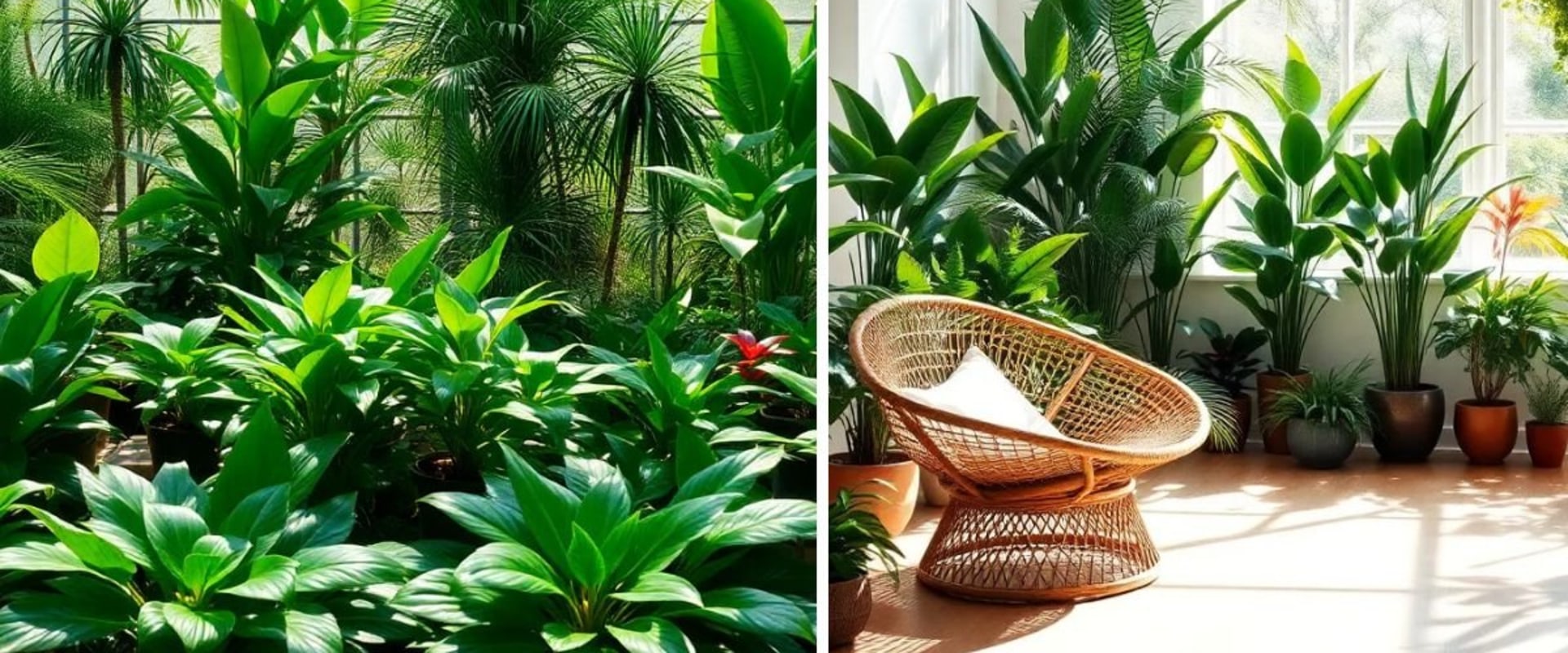
Are you looking to breathe new life into your home? Transform Your Space with Lush Greenery is not just a trend; it’s a lifestyle choice that adds vibrancy and warmth to any renovated space. Imagine stepping into a room filled with the calming presence of plants, where every corner is adorned with lush foliage, creating a serene oasis right in your home.
Decorating with plants and greenery
is an art that goes beyond mere aesthetics; it connects us to nature and enhances our well-being. In this article, we will delve into the myriad ways you can incorporate greenery into your interior design. From selecting the right plants to understanding their care needs, we’ll provide you with practical tips that can help you create a harmonious environment.Whether you’re aiming for a minimalist look or a tropical paradise, the right plants can set the tone for your entire space. Join us as we explore creative ideas and expert advice on how to elevate your newly renovated home with beautiful plants and greenery. Get ready to transform your living space into a lush retreat that reflects your personal style and invites tranquility into your daily life. The trend of decorating with plants and greenery has taken the interior design world by storm, especially in renovated spaces where homeowners are eager to breathe new life into their environments. This shift towards incorporating more natural elements is not just about aesthetics; it also offers numerous benefits, including improved air quality and a more serene atmosphere. For homeowners in Southern California, where the climate is warm and inviting, the opportunities for utilizing plants in both indoor and outdoor settings are abundant. When selecting plants suitable for Southern California's climate, it’s important to consider various factors like light conditions and maintenance requirements. has taken the interior design world by storm, especially in renovated spaces where homeowners are eager to breathe new life into their environments. This shift towards incorporating more natural elements is not just about aesthetics; it also offers numerous benefits, including improved air quality and a more serene atmosphere. For homeowners in Southern California, where the climate is warm and inviting, the opportunities for utilizing plants in both indoor and outdoor settings are abundant. When selecting plants suitable for Southern California's climate, it’s important to consider various factors like light conditions and maintenance requirements.
For indoor spaces, low-light plants such as snake plants and ZZ plants thrive in areas with minimal sunlight, making them perfect for rooms that do not receive direct light. In contrast, if your home is filled with bright, indirect light, consider adding pothos, peace lilies, or spider plants, which not only bring lush greenery but also help purify the air. For outdoor areas, drought-resistant varieties such as succulents, agave, and native California flora can create stunning displays without requiring excessive water. Incorporating greenery into your home can be done in a multitude of creative ways. Using plant stands can elevate your greenery, adding dimension to your space while allowing for better air circulation around the plants.
For a more whimsical touch, consider hanging plants in macramé hangers or using wall-mounted planters to create a vertical garden that not only enhances your decor but also maximizes your space. These methods allow homeowners to personalize their renovated homes while showcasing their unique style. Sustainability should be at the forefront when choosing plants and materials for decor. Opting for native species not only helps conserve water but also supports local ecosystems. Consider incorporating plants like California poppies or lavender, which are both beautiful and environmentally friendly.
Additionally, using reclaimed wood for plant stands or planters can further enhance your sustainability efforts while adding character to your home. Local Southern California homes have become showcases for successful plant decor. From minimalist apartments adorned with cascading ferns to sprawling estates featuring vibrant gardens filled with colorful blooms, the integration of plants has redefined what it means to create a personal oasis. Many homeowners have embraced the idea of creating themed plant areas, such as a tropical corner with large-leaved monstera plants or a desert-scape featuring various cacti and succulents. However, potential challenges can arise when keeping plants in your home. Issues such as pests or overwatering are common concerns for many plant enthusiasts.
To combat pests, regular inspections and natural insect repellents can be effective. If overwatering is an issue, it’s crucial to understand the specific watering needs of each plant; using pots with drainage holes can help prevent excess moisture from damaging roots. It’s important to acknowledge that there can be disagreements regarding plant choices or maintenance approaches among homeowners and decorators alike. While some may prefer low-maintenance options, others might enjoy the challenge of caring for high-maintenance varieties. Open discussions about preferences and plant care can lead to innovative solutions that cater to everyone’s tastes while ensuring the overall health of the greenery in your home. Ultimately, decorating with plants and greenery offers a unique way to enhance interior spaces while promoting wellness and sustainability.
By carefully selecting the right plants based on light conditions and maintenance needs, exploring various incorporation methods, and embracing sustainable practices, Southern California homeowners can successfully transform their renovated homes into lush sanctuaries filled with life.
Choosing the Right Plants for Your Space
When it comes to decorating with plants and greenery, selecting the right plants for your space is essential to achieving a harmonious and inviting atmosphere in your renovated home. Several factors should be considered to ensure that your plant choices not only thrive but also complement your interior design. First and foremost, consider the light requirements of the plants you are interested in. Different plants have varying needs for sunlight. Some thrive in bright, direct light, while others prefer low-light conditions.Assess the natural light available in each room; for instance, south-facing windows typically receive more sunlight than north-facing ones. This will help you determine which plants will flourish in your specific environment. Next, evaluate the space availability in your home. The size of your rooms and the layout play a crucial role in plant selection. Larger plants, such as fiddle leaf figs or rubber trees, can serve as stunning focal points in spacious areas, while smaller plants like succulents or pothos can be perfect for shelves or tabletops.
Additionally, consider vertical space; wall-mounted planters or hanging plants can add greenery without taking up valuable floor space. Finally, reflect on your personal style. The plants you choose should resonate with your aesthetic preferences and overall design theme. For a minimalist look, opt for sleek, sculptural plants like snake plants or ZZ plants. If your style leans towards bohemian, consider a variety of hanging ferns or trailing vines to create a lush, layered effect.
Your plant selections should not only enhance the beauty of your home but also reflect your personality. By carefully considering these factors—light requirements, space availability, and personal style—you can curate a collection of plants that elevates your interior design and creates a vibrant, healthy living environment.
Sustainable Plant Decor Practices
Incorporating greenery into your home decor is not only visually appealing but also supports sustainable living. When considering sustainable plant decor practices, it's essential to focus on eco-friendly options for sourcing your plants and materials. This is particularly relevant for homeowners in Southern California, where the climate is conducive to a variety of native plants that thrive with minimal care. One of the best ways to ensure your plant choices are environmentally friendly is to opt for native plants. These plants are well-adapted to the local climate and soil conditions, making them easier to maintain and less reliant on excessive watering or fertilizers.Examples of native plants include California poppies, sage, and manzanita, which can add a touch of local beauty while supporting the local ecosystem. Additionally, consider sourcing your plants from local nurseries that prioritize sustainable practices. Many nurseries in Southern California offer a selection of native and drought-tolerant plants, ensuring that you are not only beautifying your home but also contributing to the preservation of local biodiversity. Furthermore, look for suppliers that use organic growing methods, avoiding harmful pesticides and chemicals that can have adverse effects on both health and the environment. When it comes to materials for your plant decor, think about using recycled or sustainably sourced items. For instance, planters made from reclaimed wood or recycled materials not only reduce waste but also add a unique character to your interior design.
By choosing these eco-friendly options, you can create a lush atmosphere that aligns with your commitment to sustainability. In summary, embracing sustainable plant decor practices in your renovated home not only enhances its aesthetic appeal but also contributes positively to the environment. By selecting native plants and sourcing materials responsibly, Southern California homeowners can create beautiful spaces that reflect both personal style and ecological awareness.
Maintenance Tips for Your Greenery
To ensure the longevity and health of your plants, it’s essential to provide proper care tailored to their specific needs. Here are some practical maintenance tips for both indoor and outdoor greenery.Watering
is one of the most critical aspects of plant care. Overwatering can lead to root rot, while underwatering may cause dehydration.Always check the soil moisture before watering; a simple finger test can help you determine if your plant needs hydration. For most plants, watering once a week is sufficient, but this may vary based on the species and environmental conditions. Next, consider the lighting requirements of your plants. Different species thrive in different light conditions. For instance, succulents and cacti prefer bright, direct sunlight, while ferns and snake plants do better in low to medium light.
Placing your plants in appropriate locations will enhance their growth and overall health. Another important factor is fertilization. Regular feeding during the growing season (spring and summer) can provide essential nutrients that indoor and outdoor plants need to flourish. Use a balanced fertilizer, following the recommended dilution rates on the label to avoid over-fertilization, which can harm your plants. Don’t forget about pruning as well. Regularly removing dead or yellowing leaves helps promote new growth and keeps your plants looking their best.
It also prevents pests and diseases from spreading. Additionally, repotting your plants every couple of years into larger containers can give their roots more space to grow. Lastly, be mindful of pest control. Regularly inspect your plants for signs of pests like aphids or spider mites. Early detection allows for quicker intervention.
You can use natural remedies or insecticidal soaps to manage infestations without harming your plants. By following these maintenance tips, you’ll create a thriving environment for your indoor and outdoor greenery, ensuring they enhance the beauty and air quality of your renovated home.
Creative Ways to Display Plants
Incorporating plants into your home decor can transform any space, especially in renovated homes where fresh aesthetics are paramount. Here are some innovative ideas for showcasing plants that will not only enhance the beauty of your interiors but also reflect your personal style.Modern Planters
are a fantastic way to add a contemporary touch to your space. Consider sleek, geometric designs that complement the clean lines of modern renovations. Hanging planters can also save space while adding a dynamic visual element.Look for materials like ceramic or metal that resonate with your decor theme. If you’re looking to add a personal touch, DIY Projects can be a fun and rewarding way to display plants. Create your own terrariums using glass containers filled with small plants and decorative stones. Alternatively, repurpose old items such as wooden crates or vintage suitcases as unique plant stands. These projects allow you to customize the look while being eco-friendly. Consider vertical gardens as another creative display option.
Use wall-mounted planters or create a living wall by arranging various plants on a trellis or grid system. This not only saves floor space but also adds depth and interest to walls that might otherwise be bare. For those who appreciate a touch of whimsy, use shelves to create a plant gallery. Mix different sizes and types of plants on various levels, interspersed with books or decorative items. This layered look brings life to your space and allows for easy maintenance. Lastly, embrace the beauty of window sills.
They offer natural light essential for plant growth while providing a perfect spot for smaller pots. Choose plants that thrive in sunlight like succulents or herbs for an added benefit. By incorporating these creative displays into your renovated home, you can not only beautify your space but also enjoy the numerous benefits that plants bring, from improved air quality to increased tranquility. In conclusion, incorporating plants and greenery into your home decor is not just a trend; it's a transformative approach that enhances both the aesthetic appeal and air quality of your renovated space. As we've discussed, choosing the right plants, displaying them creatively, and practicing sustainable decor methods can elevate your home while ensuring easy maintenance. We encourage you to experiment with different styles that resonate with your personal taste and share your plant decor successes with others. Don't hesitate to connect with local nurseries or contractors for tailored advice that will help you personalize your space even further.