- Kitchen Renovations: Trends and Tips
- Functional Kitchen Layouts
- Island designs for extra space
Innovative Island Designs for Maximizing Kitchen Space
Discover creative kitchen island designs that enhance space and functionality, perfect for Southern California renovations.
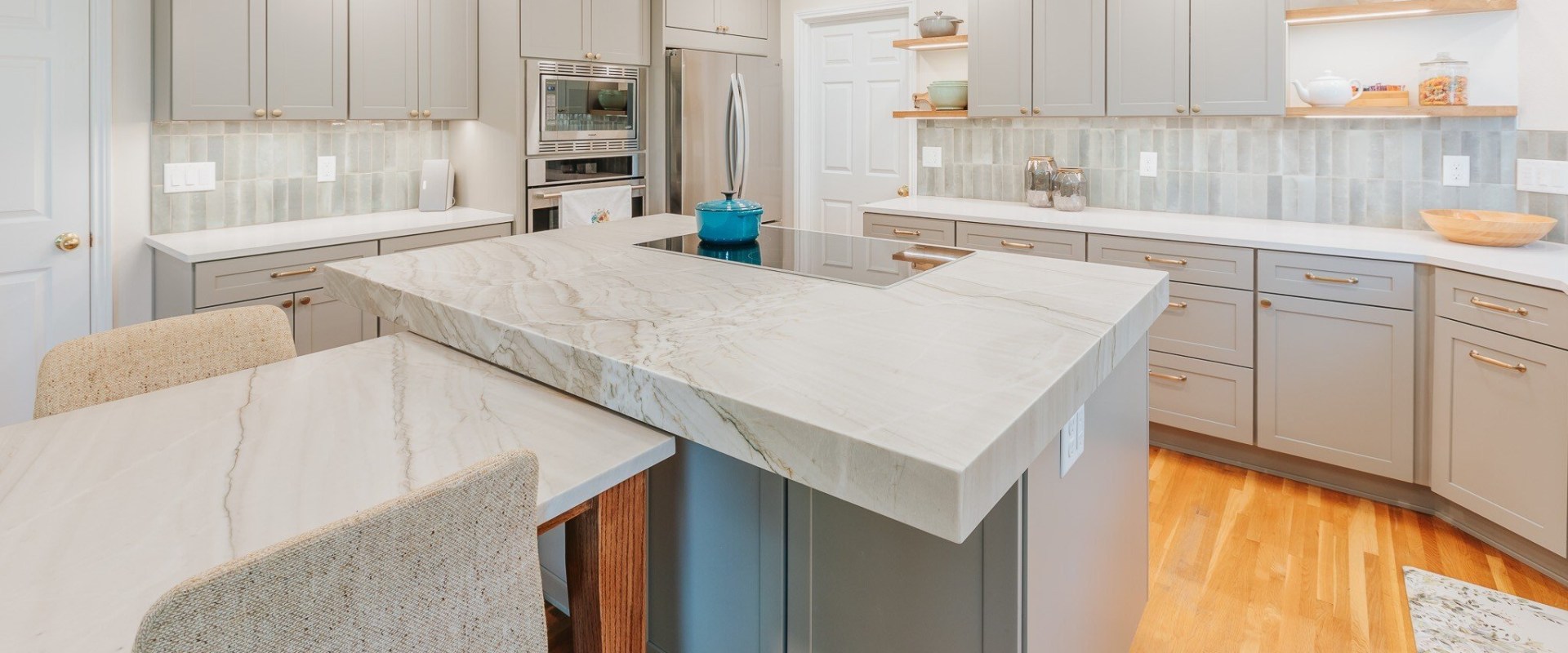
When it comes to kitchen renovations, one of the most transformative elements you can introduce is a stunning island.
Island designs for extra space
not only serve as a functional centerpiece but also enhance the overall aesthetic of your kitchen. In today’s fast-paced world, where space is at a premium, finding innovative solutions that maximize utility and style is more important than ever. Whether you’re an avid cook or a casual entertainer, the right kitchen island can revolutionize how you interact with this essential space. Imagine hosting a dinner party where guests gather around your beautifully designed island, sharing stories and laughter while you prepare culinary delights.Or picture a serene morning routine where your coffee station is seamlessly integrated into your island layout, making every day feel like a special occasion. With so many possibilities, the right island design can elevate your kitchen experience from ordinary to extraordinary. In this article, we will explore innovative ideas and trends in island designs that not only enhance functionality but also create a visually appealing atmosphere in your home. From multi-tiered surfaces to built-in storage solutions, we’ll guide you through the latest trends that cater to diverse needs and styles. Get ready to discover how the perfect kitchen island can transform your cooking space into a haven of creativity and comfort.
Island designs for extra space
play a crucial role in modern kitchens, especially in regions like Southern California, where maximizing every square foot is essential.A well-designed kitchen island can transform a standard kitchen into a multifunctional space, serving as a hub for cooking, dining, and socializing. With the trend of open-concept layouts gaining traction, homeowners are increasingly looking for ways to create islands that offer both aesthetic appeal and practical functionality. When considering island designs, it's important to recognize the variety of styles available. Traditional islands often feature ornate details and wood finishes, creating a warm and inviting atmosphere. For example, a classic white cabinetry island with a rich walnut countertop can bring elegance to a kitchen while providing ample storage.
On the other end of the spectrum, contemporary designs emphasize clean lines and minimalist aesthetics. A sleek, matte black island with integrated appliances can serve as a striking focal point in a modern space. Lastly, the farmhouse style has surged in popularity, characterized by rustic charm and practicality. A farmhouse island might include open shelving for displaying cookbooks and decorative items, paired with a reclaimed wood top that adds character to the kitchen. Choosing the right materials and finishes is vital for ensuring that the island complements the overall kitchen design.
Homeowners should consider durable surfaces like quartz or granite for countertops, which not only add beauty but also withstand the demands of daily use. Furthermore, incorporating cabinetry that matches or contrasts with existing kitchen elements can create a cohesive look. For instance, pairing a dark wood island with light-colored cabinets can create an eye-catching contrast while maintaining harmony in the space. Functional layouts are also key when it comes to island designs. L-shaped islands are ideal for smaller kitchens, allowing for an efficient work triangle between the sink, stove, and refrigerator.
They provide extra counter space without overwhelming the room's layout. Alternatively, U-shaped islands offer even more surface area and storage options, making them perfect for larger kitchens where multiple cooks might collaborate. Both configurations enhance traffic flow and promote interaction among family members and guests. However, installing an island can come with its own set of challenges. Plumbing and electrical considerations are often at the forefront of any kitchen renovation project.
Homeowners should consult with professionals to determine if additional plumbing or wiring is necessary for sinks or appliances integrated into the island. If these adjustments are not feasible, alternatives such as portable islands or carts can provide additional workspace without the complications of permanent installations. Sustainability is another crucial aspect to consider when planning island designs for extra space. Incorporating sustainable materials like bamboo or recycled countertops not only benefits the environment but also adds unique character to the kitchen. Additionally, selecting energy-efficient appliances can further enhance the eco-friendliness of the design while reducing utility bills.
Many local contractors specialize in kitchen renovations that prioritize sustainability; seeking out professionals who understand these trends can be beneficial. For homeowners looking to undertake a renovation project in Southern California, finding reputable contractors is essential. Online reviews and local directories can provide insights into contractors' past work and customer satisfaction levels. Asking friends or family for recommendations can also lead to finding trustworthy services. Furthermore, homeowners should be aware of any permits required for their renovations, as local regulations may dictate specific requirements based on the scope of work being performed. In conclusion, island designs for extra space offer unparalleled opportunities for enhancing kitchen functionality in Southern California homes.
By exploring various styles and layouts, selecting appropriate materials, and understanding installation challenges, homeowners can create stunning islands that not only meet their practical needs but also elevate their kitchen's overall aesthetic.
Versatile Island Shapes and Styles
When it comes to optimizing kitchen space, the shape and style of your island can significantly influence both functionality and aesthetics.Rectangular islands
are the most common choice, offering ample surface area for meal preparation and dining. They fit well in long, narrow kitchens and can serve as a bridge between different areas of the space. On the other hand, circular islands introduce a softer, more inviting look. These islands are often used in open-concept designs, promoting flow and interaction in social settings.They can also be a great option for smaller kitchens, allowing for easy movement around the space. For those looking to make a statement, multi-tiered islands provide both visual interest and functional versatility. These islands often feature different levels for cooking, dining, or even entertaining, making them perfect for families who need extra space for various activities. Multi-tiered designs can also help define areas within larger kitchens. Ultimately, choosing the right shape for your kitchen island depends on your specific layout and personal preferences. Whether you opt for a classic rectangular design or a unique circular or multi-tiered shape, the right island can enhance not just the utility of your kitchen but also its overall charm.
Maximizing Storage with Smart Designs
In modern kitchen renovations, especially in areas with limited space like Southern California, island designs for extra space are becoming increasingly essential.One of the most significant advantages of a well-designed island is its capacity to provide additional storage. Innovative storage solutions can transform an ordinary kitchen island into a multifunctional powerhouse. One popular trend is the incorporation of pull-out drawers into island designs. These drawers can be designed to fit within the island’s structure, offering easy access to utensils, pots, and pans without taking up valuable counter space. This design not only maximizes storage but also keeps the kitchen organized and clutter-free. Another effective solution is the integration of shelves into the island layout.
Open shelving allows for easy visibility and access to frequently used items while also contributing to a stylish aesthetic. Homeowners can display decorative dishes or cookbooks, adding personality to their kitchens while maintaining functionality. Additionally, cabinetry integrated into the island can provide concealed storage options. Customized cabinets can be designed to fit specific needs, whether it’s for storing larger appliances or creating a hidden pantry space. This approach ensures that everything has its place, which is crucial for those who use their kitchens daily. With these innovative storage solutions, homeowners can maximize their kitchen space without compromising on style or functionality.
As kitchen islands continue to rise in popularity, embracing smart designs will only enhance their utility in contemporary homes.
Creating Multi-Functional Spaces
In today's modern kitchens, island designs for extra space have become essential for maximizing functionality and efficiency. A well-designed kitchen island can transform an ordinary kitchen into a multi-functional hub. This is particularly important in Southern California, where homes often face space constraints. One of the primary roles of a kitchen island is to serve as a dedicated cooking station. With the right design, an island can incorporate a stove, preparation area, and even additional storage for cookware and utensils.This central location makes meal preparation more efficient and enjoyable, allowing families to gather around while cooking. Additionally, kitchen islands can double as eating areas. By adding bar stools or comfortable seating, the island becomes a casual dining space for busy families. This setup encourages interaction during meals and provides a convenient spot for quick breakfasts or snacks, making it easier for family members to stay connected amidst their hectic schedules. Furthermore, islands can also serve as homework hubs for families. With the right design and ample surface space, children can use the island as a study area while parents prepare dinner or manage household tasks.
This integration of work and family life highlights how versatile these spaces can be. As the trend of open-concept living continues to rise, the kitchen island stands out as a crucial element in creating multi-functional spaces that cater to various needs within the home.
Finding Local Contractors and Navigating Permits
When embarking on a kitchen renovation, particularly one that involves innovative island designs for extra space, finding the right local contractors is crucial. Begin by researching professionals who specialize in kitchen remodels in your area. Look for reviews and testimonials that reflect their experience with kitchen islands and their ability to maximize space effectively. Consider reaching out to friends or family members who have recently undergone renovations for recommendations. Additionally, online platforms such as Yelp or Angie's List can provide insights into reputable contractors. Once you have a shortlist of potential contractors, schedule consultations to discuss your vision for the kitchen island.This is an opportunity to gauge their expertise, ask about previous projects, and ensure they understand the specific needs related to island designs.Understanding the necessary permits for your renovation is equally important. In Southern California, many kitchen remodels require permits, especially if you are altering plumbing or electrical systems. Check with your local building department for specific regulations and ensure that your chosen contractor is knowledgeable about the permitting process. Your contractor should assist you in navigating these requirements, but it’s wise to remain informed. Having the proper permits not only ensures compliance with local laws but also helps avoid costly fines or project delays. In conclusion, investing time in hiring qualified local renovation experts and understanding the permit process will lead to a successful kitchen transformation that maximizes space through innovative island designs.
Sustainable Materials for Eco-Friendly Renovations
In the pursuit of creating a sustainable kitchen, eco-friendly materials play a pivotal role in island construction.Utilizing materials that are both renewable and recyclable not only reduces the environmental impact but also enhances the aesthetic appeal of your kitchen. One popular choice is bamboo, which is known for its rapid growth and durability. Bamboo can be used for countertops, cabinetry, and even as flooring, providing a stylish yet sustainable option. Another excellent material is reclaimed wood. Sourced from old barns, factories, or even previous home renovations, reclaimed wood adds character and charm to any kitchen island while reducing waste.
Its unique textures and colors can create a warm, inviting atmosphere, making it an ideal choice for homeowners looking to add personality to their space.
Recycled glass
is also gaining traction in eco-friendly renovations. Used in countertops and backsplashes, recycled glass not only reduces landfill waste but also offers a stunning visual element with its shimmering appearance. Additionally, many manufacturers now produce low-VOC (volatile organic compounds) finishes and adhesives, ensuring that the materials used in your kitchen island are safe for both the environment and your family's health. Lastly, consider using natural stone, such as granite or quartzite, which are abundant and can be sourced sustainably. These materials are incredibly durable and require minimal maintenance, making them a practical choice for busy kitchens.By selecting these eco-friendly materials, homeowners can create beautiful, functional islands that contribute positively to the environment while maximizing their kitchen space. In conclusion, we have explored how innovative island designs can significantly enhance the functionality of modern kitchens. By adopting versatile shapes and styles, maximizing storage with smart designs, and creating multi-functional spaces, homeowners can transform their kitchens into efficient and enjoyable environments. Furthermore, incorporating sustainable materials not only benefits the planet but also adds a unique touch to your renovation. As we’ve seen, the rising popularity of kitchen islands, particularly in Southern California, highlights their importance in maximizing space where it is often limited. A well-planned island not only serves as a focal point for aesthetic appeal but also caters to various needs—be it storage, dining, or workspace. We encourage readers to reflect on their specific requirements when considering a kitchen renovation.
Partnering with local contractors can provide tailored solutions that align with your vision and lifestyle. Embrace the opportunity to create a kitchen that is not only functional but also a true reflection of your style.