- Kitchen Renovations: Trends and Tips
- Functional Kitchen Layouts
- The work triangle concept
Understanding the Work Triangle in Kitchen Design
Explore the work triangle concept for efficient kitchen design and renovations in Southern California. Learn about layout tips, local contractors, and sustainable practices.
In the realm of kitchen designkitchen design, functionality meets aesthetics, creating spaces that are not only beautiful but also efficient. One foundational principle that has stood the test of time is the work triangle conceptthe work triangle concept. This essential guideline focuses on the optimal arrangement of the three most important work areas in your kitchen: the stove, the sink, and the refrigerator. Understanding how to balance these elements can significantly enhance your cooking experience and overall kitchen workflow. As you embark on your journey of kitchen renovations, grasping the work triangle concept is crucial.
It serves as a blueprint for creating a layout that minimizes unnecessary movement while maximizing efficiency. Whether you are planning a complete overhaul or simply updating your existing space, implementing this principle can lead to a more harmonious and functional environment. In this article, we will delve deep into the nuances of the work triangle concept. We will explore its historical significance, practical applications, and how it fits into modern kitchen design trends. By the end, you will have a clearer understanding of how to create a kitchen that not only meets your culinary needs but also reflects your personal style. The work triangle concept is a fundamental principle in kitchen design that enhances functionality by optimizing the layout of three primary components: the refrigerator, the stove, and the sink.
These elements represent the core work areas of any kitchen, where food preparation, cooking, and cleaning occur. Understanding how to effectively position these components can significantly improve efficiency, making cooking a more enjoyable experience. To maximize efficiency, the distances between these three key elements should be carefully considered. Ideally, the sum of the distances between the refrigerator, stove, and sink should fall between 12 and 26 feet, with each leg of the triangle measuring between 4 and 9 feet. This configuration allows for easy movement while preparing meals, ensuring that everything needed is within reach.
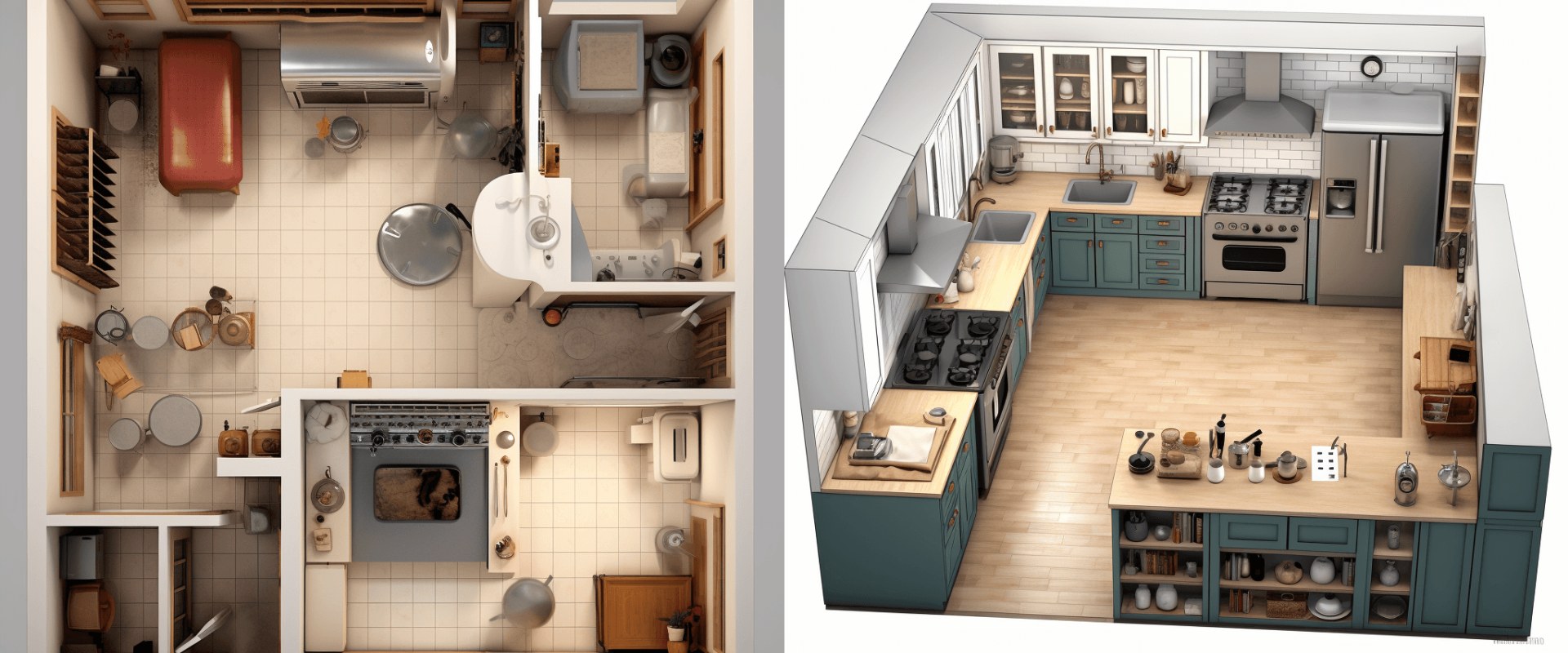
For instance, in a galley kitchen layout, you might find the refrigerator on one end, followed by the sink in the middle, and the stove at the opposite end. This setup minimizes walking distance and maximizes workspace. Another popular layout that implements the work triangle effectively is the L-shaped kitchen. In this design, the refrigerator can be placed on one wall, while the stove and sink are positioned along the adjacent wall. This arrangement creates an efficient workflow while also allowing for additional counter space, which is particularly valuable in smaller kitchens.
It's essential to consider traffic patterns as well; ensuring that pathways are clear and do not disrupt the flow of movement between these work zones is crucial for a functional kitchen. Storage also plays a vital role in optimizing kitchen layouts. When planning renovations, it's important to incorporate adequate storage solutions that complement the work triangle. For example, placing cabinets near the sink for dishware or arranging pantry items close to the refrigerator can streamline meal prep and cooking processes. In Southern California, where outdoor entertaining is popular, integrating storage options that support both indoor and outdoor cooking activities can enhance functionality further. The local climate and lifestyle in Southern California influence kitchen design choices significantly.
With a warm climate that encourages outdoor living, many homeowners prioritize designs that seamlessly blend indoor and outdoor spaces. This trend may lead to kitchens featuring large sliding doors or windows that open up to patios. However, balancing this desire for openness with the work triangle concept can be challenging. While some modern designs favor open-concept layouts that may disrupt traditional work triangle principles, it’s essential to find a way to maintain efficiency even in these setups.
For example, a well-placed island can serve as a functional workstation while still allowing for social interaction with guests. Insights from local contractors and designers who specialize in kitchen renovations can provide valuable perspectives on how best to implement the work triangle concept within contemporary designs. Many professionals emphasize that despite evolving trends, maintaining an efficient workflow remains paramount. They often advocate for smart planning that accommodates modern aesthetics while still respecting traditional principles of kitchen functionality. While there may be disagreements regarding modern trends deviating from traditional work triangle principles, it’s essential to remember that every kitchen is unique. Homeowners must consider their specific needs, lifestyle habits, and preferences when deciding on a layout.
Ultimately, whether opting for a classic work triangle or embracing an open-concept design, prioritizing functionality will lead to more enjoyable cooking experiences and better use of space.
The Basics of the Work Triangle
The work triangle is a design principle that emphasizes the relationship between the three main work areas in the kitchen: the stove, the refrigerator, and the sink. These elements form the vertices of the triangle and are critical for efficient kitchen workflow. The significance of the work triangle lies in its ability to create an ergonomic and functional kitchen layout, which can greatly enhance cooking experiences and overall kitchen efficiency. A well-designed work triangle allows for smooth movement between these three key areas, minimizing unnecessary steps and maximizing productivity. Ideally, the distance between each point of the triangle should be between 4 and 9 feet, ensuring that everything is easily accessible without crowding the space.This principle not only makes cooking more enjoyable but also contributes to better organization within the kitchen. For homeowners in Southern California, where kitchens often serve as social hubs for family and friends, understanding the work triangle is particularly relevant. A functional layout can transform a cramped cooking area into an inviting space that accommodates gatherings while maintaining practicality for everyday use.
Measuring Efficiency: Distances and Layouts
Understanding the work triangle concept is essential for creating an efficient kitchen layout that enhances workflow. The work triangle consists of three key areas: the stove, the sink, and the refrigerator. These points must be strategically placed to facilitate smooth movement during cooking. Optimal distances between these three points are critical.According to kitchen design principles, the sum of the distances between the stove, sink, and refrigerator should ideally be between 12 to 26 feet. This range allows for comfortable movement without excessive walking or reaching. Each leg of the triangle should measure between 4 to 9 feet to maintain efficiency while ensuring that the space does not feel cramped. When these distances are adhered to, they significantly enhance workflow. For instance, if the stove is too far from the sink, it may become cumbersome to transfer pots of water or ingredients back and forth.
Similarly, if the refrigerator is positioned too far from the prep area, it can interrupt the cooking flow, leading to a less enjoyable experience. For homeowners in Southern California looking to renovate their kitchens, understanding these optimal distances is particularly relevant. Many Southern California homes have unique layouts and sizes, making it crucial to adapt the work triangle concept effectively. A well-planned kitchen can transform how one interacts with the space, making cooking more efficient and enjoyable. In summary, measuring efficiency through proper distances and layouts in your kitchen according to the work triangle concept is fundamental for a functional and enjoyable cooking experience.
Sustainable Renovations
Integrating sustainability into kitchen renovations is not only beneficial for the environment but can also enhance the functionality of your space. By adhering to the work triangle concept, homeowners can create an efficient layout that minimizes energy consumption while maximizing usability. One way to achieve this is by choosing energy-efficient appliances that align with the work triangle layout.Positioning the refrigerator, stove, and sink within a compact triangular space allows for easier movement, reducing the time and energy spent in the kitchen. Look for appliances with ENERGY STAR ratings, which indicate they use less energy and water. Additionally, consider using sustainable materials for countertops, cabinets, and flooring. Reclaimed wood, bamboo, and recycled materials not only contribute to a more eco-friendly kitchen but can also be arranged to complement the work triangle design. This ensures that your kitchen remains functional while also being mindful of its environmental impact. Natural lighting can further enhance sustainability in your kitchen.
By strategically placing windows or skylights within the work triangle, you can reduce reliance on artificial lighting during the day, leading to lower energy consumption. This thoughtful design choice not only supports sustainability but also creates a more enjoyable cooking environment. Incorporating composting stations or recycling bins within the work triangle can also promote sustainable practices in your kitchen. This allows for easy access to waste management solutions without disrupting the flow of cooking activities. In summary, integrating sustainability into kitchen renovations while maintaining an efficient layout is achievable through careful planning and thoughtful choices. By focusing on energy-efficient appliances, sustainable materials, natural lighting, and waste management solutions, homeowners can create a kitchen that is both functional and environmentally responsible.
Incorporating Modern Trends
As kitchen design evolves, it is essential to blend contemporary aesthetics with the timeless principles of functionality, notably the work triangle concept.This principle emphasizes the efficient relationship between the three primary work areas in the kitchen: the stove, the sink, and the refrigerator. Modern trends can honor this concept while introducing fresh and innovative designs that appeal to homeowners, especially in vibrant regions like Southern California. One of the key contemporary trends is the open-concept kitchen layout. This design encourages fluidity between cooking and living spaces, making it easier for families and guests to interact. However, an open layout can sometimes disrupt the work triangle.
To address this, designers are focusing on strategically placing islands or peninsulas that create designated zones for cooking while maintaining an unobstructed flow throughout the space. By ensuring that these zones are in alignment with the work triangle, homeowners can enjoy both functionality and style. Another modern trend is the integration of smart technology into kitchen design. Devices such as smart refrigerators, ovens, and faucets can enhance efficiency while still adhering to the work triangle concept. For instance, smart ovens can be programmed to preheat while you are preparing ingredients at the sink, thus maximizing productivity without compromising on the established workflow. Additionally, the choice of materials and finishes plays a critical role in contemporary kitchen design.
Sleek, minimalist cabinetry and countertops can create an inviting atmosphere without overwhelming the space. Designers are now opting for materials that not only look good but also support an efficient layout by allowing for easy access between the work triangle points. For example, open shelving can be used to store frequently used items within reach, ensuring that movement between the stove, sink, and refrigerator remains seamless. Ultimately, incorporating modern trends into kitchen design does not mean abandoning foundational principles like the work triangle concept. By thoughtfully blending contemporary elements with this time-tested approach, homeowners can create beautiful and functional kitchens that enhance their cooking experiences while maximizing space utilization.
Finding Local Contractors
When embarking on a kitchen renovation, finding local contractors who are well-versed in the work triangle concept is essential to ensure your kitchen design is both functional and efficient.Here are some tips to help you select qualified professionals in Southern California:1.
Research Local Experts
: Start by searching for contractors who specialize in kitchen renovations and have experience with the work triangle concept. Look for online reviews and ratings to gauge their expertise and reliability.2.Ask for Recommendations
: Reach out to friends, family, or neighbors who have recently renovated their kitchens. Personal recommendations can lead you to trustworthy contractors who understand the importance of an effective layout.3.Check Credentials
: Ensure that the contractors you consider are licensed and insured. This protects you from potential liabilities and ensures that they adhere to local building codes.4.Review Portfolios
: Ask potential contractors for portfolios of their previous work.Look for projects that showcase an understanding of the work triangle concept, as this will indicate their capability in creating functional kitchen layouts.5.
Conduct Interviews
: Set up meetings with a few contractors to discuss your vision and how they plan to implement the work triangle concept. Pay attention to how well they listen to your needs and how they communicate their ideas.6.Request Detailed Estimates
: A qualified contractor should provide a comprehensive estimate that outlines costs, materials, and timelines. This transparency will help you make informed decisions and avoid unexpected expenses.7.Check References
: Don’t hesitate to ask for references from past clients. A reputable contractor should be willing to provide contact information for those who can attest to their work ethic and expertise in kitchen design. By following these steps, you can find a local contractor in Southern California who not only understands the work triangle concept, but also has the skills necessary to create a beautifully functional kitchen that enhances your cooking experience. In conclusion, understanding the work triangle concept is essential for anyone looking to enhance their kitchen's functionality.This principle not only optimizes the layout by minimizing unnecessary movement but also creates a more enjoyable cooking experience. For those renovating their kitchens in Southern California, it is particularly important to consider these aspects to make the most of available space and modern trends. By measuring efficiency through distances and layouts, incorporating sustainable renovations, and leveraging local resources, you can achieve a kitchen that meets your needs and reflects your style. Remember to work with experienced local contractors who understand these principles and can help bring your vision to life.